

You want your child’s dental visits to build confidence, prevent problems, and set the stage for a lifetime of healthy smiles. Choosing pediatric dentistry in Chino Hills gives your family access to specialists trained to make care gentle, age-appropriate, and focused on prevention so children stay cavity-free and comfortable.
This article explains what pediatric dental care looks like, how early visits shape lifelong oral health, common childhood concerns, and modern, kid-friendly treatments that reduce fear and pain. It also guides you on supporting oral hygiene at home and choosing the right pediatric dentist in Chino Hills so appointments feel safe and productive.
Understanding Pediatric Dental Care
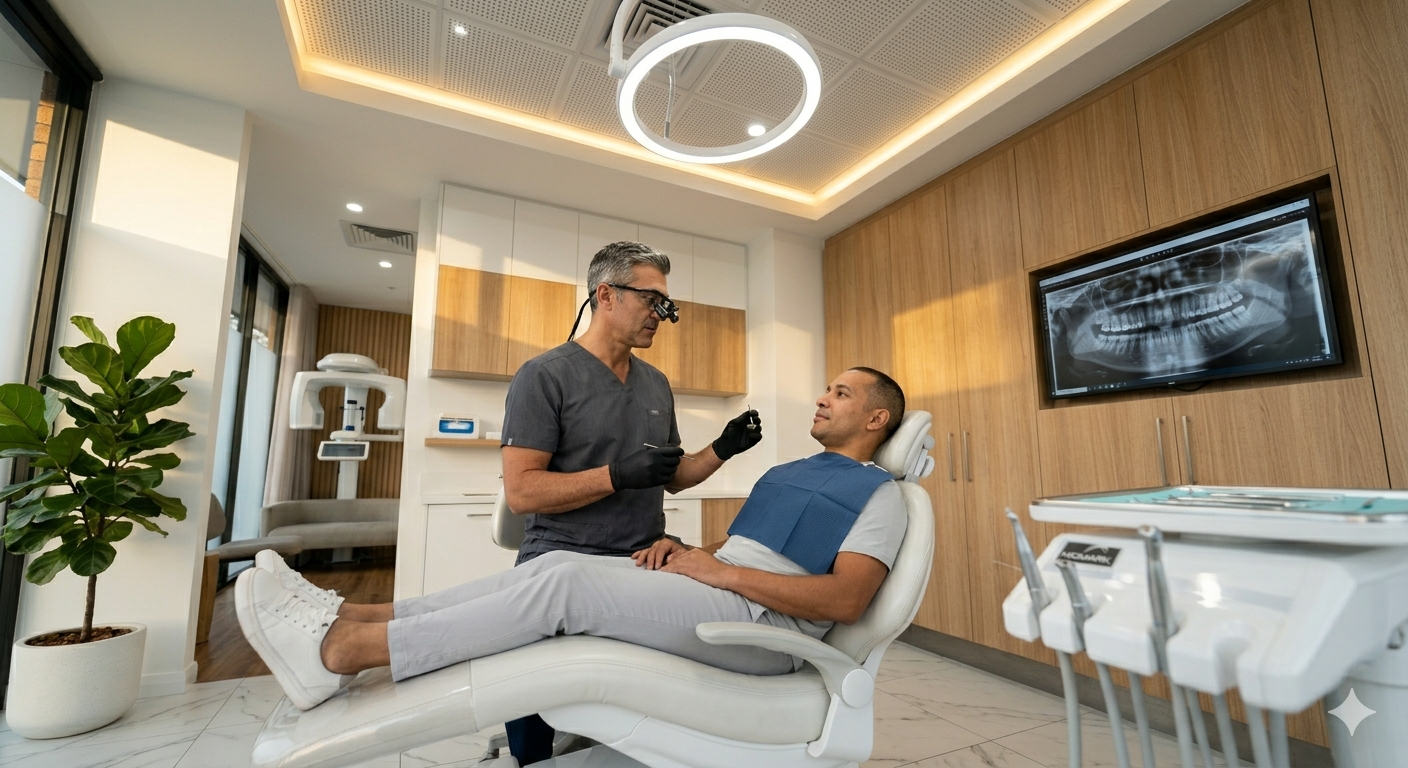
Pediatric dental care focuses on children’s oral health from infancy through adolescence, emphasizing prevention, growth monitoring, and behavior-friendly treatments. It combines clinical skills with child-focused communication to make appointments productive and comfortable.
What Makes Pediatric Dentistry Unique
Pediatric dentists complete additional training after dental school to treat infants, children, and teens. They learn child development, behavior guidance, and techniques for treating dental trauma and congenital issues. This training prepares them to handle cooperation challenges and medical complexities like special healthcare needs.
Clinics use kid-friendly equipment and environment adjustments — smaller instruments, brightly colored operatory spaces, and distraction tools such as videos or toys. They also apply behavior-management methods such as tell–show–do, positive reinforcement, and, when necessary, nitrous oxide or conscious sedation to reduce anxiety.
Preventive focus differs too: early risk assessment, fluoride varnish applications, pediatric-specific dietary counseling, and customized sealant programs target the high-cavity risk periods in primary and mixed dentition. Parents receive concrete home-care instructions tailored to a child’s age and development stage.
Key Differences Between Pediatric and General Dentists
Pediatric dentists prioritize growth tracking and occlusion development, watching how jaws and permanent teeth emerge. General dentists may treat children, but pediatric specialists are trained to recognize and intercept bite problems early, using space maintainers, habit appliances, or referrals to orthodontists when indicated.
Communication style and office logistics diverge. Pediatric practices schedule shorter, frequent visits to build trust and use parent-inclusive discussions to teach realistic at-home routines. They maintain vaccination, growth, and medical-history vigilance because systemic health often affects oral care in children.
Treatment choices and materials also vary: pediatric crowns, fillings formulated for primary teeth, and behavior-adapted restorative approaches differ from adult protocols. Emergency care for common issues like tooth avulsion follows child-specific guidelines to maximize the chance of tooth preservation and proper dental development.
How Early Dental Visits Shape Lifelong Health
Early dental care builds habits and prevents small problems from becoming bigger ones. Regular checkups, fluoride use, and parental coaching create a foundation for a lifetime of healthier teeth and fewer emergency visits.
Building Positive Dental Habits in Childhood
Early visits teach children what to expect, reducing anxiety and making daily care easier at home. Clinicians model brushing and flossing techniques, show the right amount of toothpaste (a smear for infants, pea-size for older children), and coach parents on timing—twice daily for two minutes each time.
Routine appointments reinforce habits through simple, repeatable steps. Providers praise cooperative behavior, which strengthens positive associations with the dentist. They also give age-specific guidance: transitioning from bottles to cups, limiting juice, and introducing flossing when teeth touch.
Practical tools help. Dentists often recommend electric toothbrushes for better plaque removal, fluoride varnish at checkups to reduce cavities, and sticker charts to motivate children. These measures lower decay risk and help children maintain good oral health into adulthood.
Detecting Issues Before They Become Problems
Early visits allow clinicians to catch decay, misaligned bites, and developmental concerns when treatment is simplest. For example, identifying early enamel lesions lets the team apply fluoride or sealants rather than perform fillings later.
Pediatric dentists assess risk factors—dietary habits, tooth brushing technique, and family history—to tailor prevention plans. They monitor eruption patterns and jaw growth, which flags problems like severe crowding or crossbites that may benefit from interceptive orthodontics.
When necessary, dentists coordinate with pediatricians or orthodontists to address medical or structural issues promptly. Timely interventions reduce the need for complex procedures, spare children from extra visits, and often lower long-term costs.
Common Childhood Dental Concerns
Parents often worry about cavities, tooth pain, and injuries from falls or sports. Timely prevention, simple home care, and quick professional treatment usually keep problems small and recovery fast.
Managing Tooth Decay and Cavities
Tooth decay starts when plaque bacteria feed on sugars and produce acid that weakens enamel. For children, this process accelerates because baby teeth have thinner enamel and young patients may snack frequently or sip sugary drinks throughout the day.
Practical steps reduce decay risk: brush twice daily with a pea-sized fluoride toothpaste, floss once daily when teeth touch, and avoid prolonged use of bottles or sippy cups with juice. Parents should supervise brushing until a child consistently demonstrates good technique, usually around age 7–8.
Professional measures include fluoride varnish applied at dental visits and dental sealants placed on molars to block grooves where food traps. Early, small fillings preserve tooth structure; if left untreated, decay can cause infection, pain, and affect permanent teeth. Regular checkups every six months let the dentist catch decay early and tailor preventive care.
Protecting Against Dental Injuries
Children commonly injure teeth during falls, playground play, and sports. Front teeth are most at risk, and prompt action can mean the difference between saving a tooth and needing more complex treatment.
For minor chips, rinse the mouth with warm water and apply cold compresses to control swelling. If a tooth is knocked out, handle it by the crown, rinse gently without scrubbing, and attempt to reinsert it if possible; otherwise, store it in milk or saline and see a dentist immediately—ideally within an hour.
Use a custom-fitted mouthguard for contact sports; over-the-counter boil-and-bite guards are a secondary option. Preventive measures at home include removing tripping hazards and installing safety gates for toddlers. Dental visits can include personalized advice on injury prevention based on a child’s activity level and dental development.
Modern Treatments and Comforting Techniques
This section highlights specific tools and approaches that reduce anxiety and improve outcomes for children. It focuses on technology that minimizes discomfort and preventive options tailored to young mouths.
Gentle Technologies for a Positive Experience
Pediatric dentists in Chino Hills commonly use behavioral techniques plus equipment designed for small patients to create a calmer visit. Nitrous oxide (laughing gas) provides mild sedation with rapid recovery; it reduces anxiety and gag reflex without long-lasting effects. For children with higher sensitivity, oral sedation under careful monitoring offers a deeper, short-term calming effect.
Advanced instruments also lower discomfort. Electric handpieces and ultrasonic scalers reduce vibration and noise during cleanings and restorative work. Intraoral cameras let dentists show children and parents exact images of teeth, making explanations visual and less frightening.
Many offices use distraction tools—videos, music, and tablet apps—combined with child-sized dental chairs and warm blankets. These low-tech comforts, paired with modern devices, help most children cooperate and leave with a positive impression.
Kid-Friendly Preventive Care Options
Preventive care in pediatric dentistry focuses on practical, evidence-based measures that protect developing teeth. Dental sealants are thin, BPA-free resin coatings applied to molar grooves; they block decay and typically last several years with routine checkups. Fluoride varnish applications strengthen enamel; they take minutes and reduce cavity risk by promoting remineralization.
Routine cleanings include gentle polishing and targeted education about brushing and flossing techniques suited to a child’s age and dexterity. Diet counseling addresses sugar frequency and sticky snacks, with specific, doable substitutions parents can implement immediately.
Orthodontic screening by age 7 identifies early alignment issues; interceptive appliances can guide jaw growth and reduce the need for more extensive treatment later. Personalized recall schedules and home-care plans ensure follow-through, with staff providing reminders and simple progress tracking for busy families.
The Role of Family in Supporting Oral Health
Parents and caregivers set routines, manage appointments, and model calm behavior to make dental care a normal part of daily life. Small, consistent actions at home — like supervising brushing and choosing tooth-friendly snacks — have a big impact on a child’s long-term oral health.
Helping Children Overcome Dental Anxiety
Families should prepare children before visits by describing what will happen in simple, factual terms. Saying, “The dentist will count your teeth and clean them with a gentle brush,” reduces uncertainty more than vague reassurances.
Practice role-play at home using a toothbrush and a mirror so the child becomes familiar with the tools and sounds. Read books or watch short, age-appropriate videos that show friendly dental visits. Avoid using the dentist as a threat; that builds fear.
On appointment day, bring a favorite comfort item and arrive early to let the child acclimate to the office. Parents should model calm behavior, keep instructions brief, and praise cooperative actions immediately to reinforce positive experiences.
If anxiety persists, discuss behavior guidance techniques with the pediatric dentist. Options include tell-show-do, short breaks, or mild nitrous oxide; the dentist will recommend what fits the child’s age and anxiety level.
Fun Ways to Encourage Brushing and Flossing
Turn oral care into a game with timers, stickers, or a brushing chart to track two-minute sessions twice daily. Children respond well to visual progress — offer a small reward after a week of consistent brushing to build routine.
Use child-sized brushes with soft bristles and flavored fluoride toothpaste appropriate for the child’s age and swallowing ability. Let children pick their toothbrush and toothpaste at the store to increase ownership of the habit.
Make flossing easier by using floss picks or interdental tools designed for small mouths. Demonstrate technique slowly, then guide their hands until they can do it independently. Supervise flossing for younger children and transition responsibility gradually between ages 6–10 based on dexterity.
Introduce themed brushing nights — like “superhero smiles” or family brushing playlists — to keep habits fresh. Regularly review technique during dental visits so parents can reinforce any specific tips the dentist provides.
Choosing a Pediatric Dentist in Chino Hills
Parents should prioritize experience with children, office environment, and preventive-focused care when selecting a pediatric dentist. Practical details like location, office hours, and insurance acceptance also shape a visit that feels easy and supportive.
What to Look for in a Local Practice
Look for a dentist who is board-certified in pediatric dentistry or has documented pediatric residency training. Credentials matter because they reflect extra years of child-focused education and behavior management training.
Assess the office environment: child-sized equipment, a waiting area with age-appropriate toys or books, and treatment rooms designed for comfort reduce anxiety.
Check staff training in pediatric CPR and sedation protocols. Safety policies for emergencies and infection control should be clearly posted or explained.
Confirm availability of preventive services on-site: fluoride varnish, dental sealants, habit counseling, and routine cleanings tailored by age.
Read recent patient reviews that mention specific interactions with young children, appointment punctuality, and how the team handled common fears.
Questions to Ask During Your First Visit
Ask directly about the dentist’s experience with your child’s age and any special needs. Specifics matter: years treating infants, toddlers, or children with sensory sensitivities.
Request a walk-through of the recommended preventive plan and how often X-rays will be taken. Parents should understand what triggers sealant or fluoride recommendations.
Clarify billing: which insurances the practice accepts, typical out-of-pocket costs, and availability of payment plans. Knowing financial details avoids surprises.
Inquire about behavior management techniques used during exams and procedures—tell the team if a parent will stay in the room and ask about nitrous oxide or other comfort options.
Ask how the office communicates after visits: secure messaging, appointment reminders, and who to contact for urgent questions or tooth trauma after hours.
What to Expect During Your Child’s Appointment
A friendly staff member will greet them and check basic information. The office creates a calm environment with toys, books, and gentle music to help children relax.
The dental team performs a quick, painless exam of teeth, gums, and bite. They often use simple mirrors and lights while explaining each step in kid-friendly terms.
X-rays may be recommended for a clearer view of developing teeth. These use low radiation and are taken only when necessary to diagnose cavities or growth issues.
Cleanings include gentle polishing and flossing to remove plaque. Fluoride treatment might follow to strengthen enamel and reduce cavity risk.
The dentist discusses oral hygiene and diet with caregivers in plain language. They offer practical tips—like brushing routines and snack choices—to keep smiles healthy at home.
If preventive treatments such as sealants are suggested, the dentist explains benefits and timing. Procedures are done quickly and comfortably, with options for behavior guidance if a child feels anxious.
Appointments end with a brief review of findings and a personalized care plan. Caregivers receive clear instructions, follow-up recommendations, and encouragement to ask questions or schedule the next visit.
Creating a Lifetime of Healthy Smiles
Pediatric dentists in Chino Hills focus on prevention and habit-building from the first tooth onward. They teach families simple routines that reduce cavities and set children up for healthy adult teeth.
Early visits let clinicians spot small issues before they become big problems. Regular cleanings, fluoride treatments, and sealants work together to protect enamel and minimize future procedures.
Comfort and trust play a central role in long-term dental health. Gentle, child-focused techniques — plus clear explanations for both kids and parents — help reduce fear and make visits normal, even routine.
Modern pediatric practices offer pain-minimizing options and behavior guidance to ease anxious children. These approaches improve cooperation and lead to more effective care over time.
Practical steps parents can take now:
- Brush twice daily with a child-sized toothbrush and fluoride toothpaste.
- Schedule dental visits every six months or as recommended.
- Limit sugary drinks and encourage water after snacks.
Scheduling an early appointment helps personalize preventive plans and answer questions about nutrition, teething, or thumb-sucking. Families who partner with a pediatric dentist in Chino Hills give their children the knowledge and care that build healthy smiles for life.
Frequently Asked Questions
This section answers common concerns parents have about child dental care in Chino Hills, with clear steps, ages, and practical tips for prevention and comfort. Each question covers timing, preventive strategies, behavioral techniques, and simple home routines parents can use today.
Why is pediatric dentistry important for my child’s long-term oral health?
Pediatric dentists focus on baby teeth, jaw growth, and habits that affect adult teeth. Early care detects problems like misalignment or decay before they become complex and costly.
They also teach parents age-specific routines and offer sealants or fluoride when appropriate. Those interventions reduce the risk of pain, infection, and future orthodontic treatment.
When should my child have their first dental visit, and what happens at that appointment?
The American Academy of Pediatric Dentistry recommends a first visit by the first tooth or by 12 months. The appointment includes a gentle exam, cleaning demonstration, and guidance on feeding, pacifier use, and teething.
The dentist checks for decay, examines bite and jaw development, and answers parental questions about oral habits. The visit builds a comfort level and a personalized prevention plan.
How can a pediatric dentist help prevent cavities and tooth decay in young children?
Pediatric dentists apply fluoride treatments and dental sealants when indicated to strengthen enamel. They provide diet guidance to limit sugary snacks and teach proper brushing techniques.
They also create recall schedules for cleanings and monitor high-risk children for early signs of decay. Targeted education helps parents reduce bedtime bottles and prolonged sippy-cup use.
What is the “rule of 7” in pediatric dentistry, and how does it guide care as kids grow?
The “rule of 7” divides development into stages at roughly ages 7, 14, and 21 for monitoring growth and transitional teeth. It helps clinicians time orthodontic evaluations, growth assessments, and preventive interventions.
By age 7, mixed dentition is common and early crowding or bite issues show up. The rule prompts timely referrals and treatment planning to guide jaw development and tooth alignment.
What is the 3-3-3 dental rule, and how can it fit into our daily brushing routine?
The 3-3-3 rule means three minutes of brushing, three times a day, with a pea-sized fluoride toothpaste for children over three. It emphasizes consistency, duration, and appropriate fluoride exposure.
Parents should supervise brushing until a child can reliably spit, usually around age 6–8. Use a timer or a two-song routine to make the three minutes manageable and routine.
How do pediatric dentists help nervous kids feel comfortable during exams and treatments?
Pediatric teams use child-friendly language, distraction techniques, and step-by-step explanations to reduce fear. They often let the child see tools, practice sitting in the chair, and control the pace of care.
For higher anxiety, options include nitrous oxide, short appointments, or behavior guidance strategies tailored to the child. The goal remains a positive experience that builds trust and cooperation.
Questions or concerns about a child’s dental needs can be addressed by scheduling a consultation with a local pediatric dentist in Chino Hills.