

You’ll find practical cosmetic dentistry options in Chino Hills that fit real-life needs, budgets, and comfort levels. Whether you want brighter teeth, straighter alignment, or durable restorations, local dentists offer clear, modern solutions tailored to your smile.
This article explains what cosmetic dentistry in Chino Hills involves, compares popular treatments like whitening, veneers, and clear aligners, and outlines advanced restorations such as implants and crowns. It also covers how dentists personalize plans, prioritize patient comfort, and help you maintain results long-term so you can make informed choices.
Understanding Cosmetic Dentistry in Chino Hills
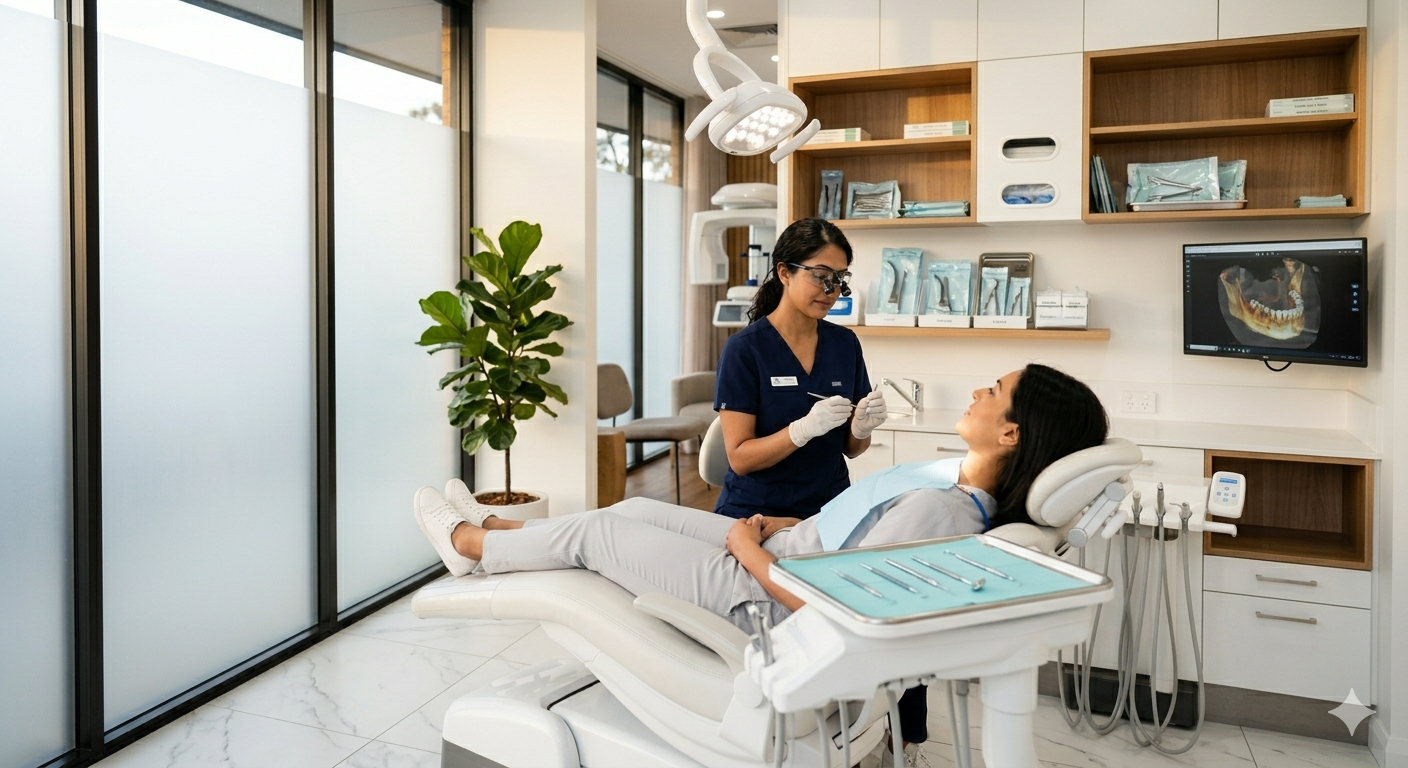
Residents can expect personalized care, modern materials, and clear cost and scheduling information. Practices in Chino Hills emphasize conservative treatments, patient comfort, and predictable esthetic outcomes.
What Sets Our Community Apart
Chino Hills dental practices often blend suburban convenience with advanced technology. Many offices use digital imaging, intraoral scanners, and same-day milling to shorten treatment time and improve fit for restorations like crowns and veneers.
The community values predictable, minimally invasive care. Dentists here typically prioritize enamel-preserving options such as porcelain veneers placed with conservative preparation or composite bonding that repairs chips without extensive tooth reduction.
Patient comfort is emphasized across clinics. Nitrous oxide, warm blankets, and private operatories are common, and many practices offer clear financial options—itemized estimates, financing plans, and membership programs—to make cosmetic care accessible.
How Cosmetic Treatments Improve Smiles
Cosmetic dentistry corrects common concerns: stained teeth, minor crowding, gaps, and worn edges. Teeth whitening brightens enamel in one or two visits, while professional take-home kits maintain results with fewer touch-ups than over-the-counter products.
Porcelain veneers and composite bonding change shape and color for a lasting effect. Veneers provide superior stain resistance and longevity, while composite bonding preserves more natural tooth structure and costs less upfront.
Orthodontic options such as clear aligners address alignment without metal braces. Clear aligners in Chino Hills often use digital treatment planning to shorten timelines and predict final tooth positions, improving both function and esthetics.
Popular Treatments for Smile Enhancement
Patients in Chino Hills often seek faster, reliable ways to brighten, reshape, or repair teeth. The options below explain what each treatment does, typical timelines, and who benefits most.
Teeth Whitening Options
In-office whitening uses concentrated hydrogen peroxide gels and a light or laser to accelerate whitening. It typically takes one 60–90 minute visit to lift stains several shades; results are immediate but may require touch-ups every 6–12 months.
At-home professional kits prescribed by a dentist use custom-fitted trays and lower-concentration peroxide gel. Patients wear trays for 30–60 minutes daily or overnight for 1–2 weeks; this delivers gradual, predictable whitening with less sensitivity than over-the-counter products.
Over-the-counter strips and toothpaste remove surface stains but rarely change intrinsic discoloration. Dentists evaluate enamel health and restorations (crowns, veneers) first, since whitening does not alter prosthetic color.
Common side effects include transient sensitivity and gum irritation; dentists recommend desensitizing toothpaste and following protocol to minimize issues.
Porcelain Veneers
Porcelain veneers are thin ceramic shells bonded to the front surfaces of incisors and canines to correct chips, gaps, discoloration, or minor misalignment. Treatment usually requires two to three visits: diagnostic planning and mock-up, tooth preparation and temporary veneers, then final bonding of custom porcelain restorations.
Veneers resist staining and closely mimic natural enamel translucency. A single veneer typically covers one tooth, so dentists plan shade and shape to match surrounding teeth for a balanced smile.
Veneer placement is irreversible because a small amount of enamel is removed. Lifespan commonly ranges 10–15 years with good oral hygiene and avoiding excessive bite forces. Dentists assess bite, gum health, and existing restorations before recommending veneers.
Dental Bonding
Dental bonding applies tooth-colored composite resin to repair chips, close small gaps, or reshape a tooth in a single office visit. The dentist roughens the enamel, applies an adhesive, sculpts the composite, then cures it with a light—most cases finish in 30–60 minutes per tooth.
Bonding offers a conservative, cost-effective alternative to veneers for minor cosmetic changes. The material bonds directly to enamel and can be polished to match neighboring teeth for an immediate aesthetic improvement.
Composite is more prone to staining and wear than porcelain and typically lasts 3–7 years depending on habits like smoking or frequent coffee consumption. Dentists recommend routine checkups and occasional polishing or repairs to maintain appearance.
Advanced Solutions for Tooth Restoration
These options restore function and appearance while prioritizing comfort and long-term health. Each treatment addresses specific problems—misalignment, missing teeth, or decay—and has predictable timelines, costs, and maintenance needs.
Invisalign Clear Aligners
Invisalign uses a series of custom, removable clear trays to shift teeth gradually. Patients typically receive a digital treatment plan that shows tooth movement and estimated duration; many cases finish between 6 and 18 months depending on complexity.
Advantages include near-invisibility, the ability to eat and brush normally, and fewer in-office adjustments than traditional braces. Patients must wear aligners 20–22 hours per day for best results and expect checkups about every 6–10 weeks for progress checks and new trays.
Limitations: severe bite issues or large tooth movements may require traditional braces or adjunctive treatments. Cost varies by case complexity; many Chino Hills practices offer financing or payment plans and accept insurance portions for orthodontic care.
Dental Implants
A dental implant replaces a missing tooth with a titanium post anchored in the jawbone, an abutment, and a custom crown. Implant placement restores chewing strength, prevents bone loss, and preserves adjacent teeth without needing bridges.
Typical steps: consultation and 3D imaging, surgical placement of the implant, a healing period of 3–6 months for osseointegration, then attachment of the abutment and crown. Bone grafting may be required when bone volume is insufficient, adding time and cost.
Success rates exceed 95% with proper care, but smoking, uncontrolled diabetes, and poor oral hygiene increase risks. Fees depend on imaging, grafting, the implant brand, and the crown material; many offices provide written treatment plans and financing options.
Tooth-Colored Fillings
Tooth-colored (composite) fillings restore decayed or fractured teeth using resin that bonds to enamel and dentin. The dentist removes decay, shapes the cavity, and layers the composite, curing each layer with a light for strength and aesthetics.
Composites match surrounding tooth shade and require less removal of healthy tooth structure than amalgam. They work well for front and small-to-medium posterior restorations, and modern materials offer good wear resistance and polishability.
Limitations include possible staining over time and greater technique sensitivity during placement. Lifespan typically ranges from 5 to 10+ years depending on bite forces and oral hygiene. Patients should expect routine checks and good home care to extend restoration life.
Personalizing Your Cosmetic Dental Plan
Patients receive a clear path that starts with a focused evaluation and becomes a tailored sequence of treatments. The plan balances aesthetics, oral health, timeline, and budget so results fit the patient’s lifestyle.
Consultation and Assessment
At the first visit, the dentist reviews medical history, dental records, and cosmetic goals. They conduct a clinical exam, take digital X-rays, intraoral photos, and a 3D scan when needed to map tooth position and bone structure.
The team discusses smile goals in concrete terms: desired tooth shape, shade, and how much gum shows when smiling. They screen for underlying issues like cavities, gum disease, or bite problems that must be addressed before elective cosmetic work.
They also assess practical constraints: budget, time available for treatment, and tolerance for temporary restorations. Patients often see mock-ups or digital smile simulations during this visit to preview outcomes and adjust expectations.
Custom Treatment Planning
The dentist combines assessment data into a step-by-step plan specifying procedures, sequence, and timing. Example plans list treatments (teeth whitening → bonding → porcelain veneers), estimated durations, and when preparatory care like periodontal therapy is required.
Material choices and clinic logistics appear in writing: composite vs. porcelain, shade selection, local lab vs. in-office milling, and sedation options if needed. Cost estimates and insurance guidance accompany the clinical plan so patients can make informed choices.
Follow-up and maintenance schedules are included, detailing when to return for adjustments, hygiene visits, and possible touch-ups. The plan leaves room for adjustments after provisional restorations or patient feedback.
Comfort and Care Throughout Your Journey
Patients can expect attentive pain control, clear communication, and options to reduce anxiety during procedures. The practice coordinates scheduling, explains each step, and customizes comfort measures to individual needs.
Modern Pain Management Techniques
The clinic uses topical anesthetics before injections to minimize the initial sting. Local anesthetics with buffering agents reduce acidity, which often lessens injection discomfort and speeds onset.
For longer procedures, long-acting local anesthetics provide extended numbness so patients avoid repeated injections. Clinicians also employ computer-assisted delivery systems that control flow rate and pressure for a gentler injection sensation.
In-office analgesics and anti-inflammatory recommendations are tailored to medical history and procedures. When appropriate, pre- and post-operative instructions include icing, soft-food guidance, and prescription or over-the-counter pain plans to keep recovery predictable and comfortable.
Anxiety-Free Visits
The office offers nitrous oxide (laughing gas) for mild to moderate dental anxiety; it wears off quickly and patients remain responsive. For stronger needs, oral sedatives are prescribed after a medical review and clear safety instructions.
Staff use calming communication techniques: step-by-step explanations, hand signals for breaks, and appointment pacing to prevent overwhelming patients. They also provide blankets, headphones, and focused lighting to enhance physical comfort.
Before treatment, staff review medical history, discuss prior dental experiences, and create a personalized comfort plan. They encourage questions and schedule shorter initial visits when helpful to build trust and reduce anxiety over time.
Choosing the Right Dentist in Chino Hills
Selecting a dentist affects treatment quality, comfort, and long-term results. Focus on credentials, available technologies, patient feedback, and how the office communicates about costs and recovery.
Qualities to Look For
Look for dentists with accredited training in cosmetic procedures such as accredited residency or continuing education in veneers, implant-restorations, and clear-aligner therapy. Verify membership in professional organizations (e.g., ADA, AACD) and ask about case portfolios showing before-and-after photos of local patients.
Assess the office’s technology: intraoral scanners, CBCT imaging, and digital smile design speed planning and reduce guesswork. Confirm they offer individualized treatment plans and sedation options if anxiety or complicated procedures require it. Strong communication matters: the dentist should explain trade-offs (durability, aesthetics, cost) and provide written estimates and timelines.
Evaluate staff demeanor and infection-control practices during an initial visit. Check warranty or follow-up care policies for restorations like crowns and veneers. Prioritize a practice that balances aesthetic goals with preservation of tooth structure.
Patient Reviews and Community Trust
Read recent reviews on Google, Yelp, and Healthgrades, focusing on comments about specific procedures, pain management, and follow-up care. Look for patterns: repeated praise for gentle injections, realistic expectations set pre-procedure, or consistent concerns about billing or appointment scheduling.
Ask for local references or referrals from Chino Hills general dentists, orthodontists, or oral surgeons who have referred patients for cosmetic work. Community presence—participation in local health fairs or partnerships with community clinics—signals commitment beyond marketing claims.
Pay attention to how the practice responds to negative reviews; prompt, professional responses that offer to resolve issues indicate accountability. Combine online feedback with a consultation visit to confirm that the reported strengths and weaknesses match the patient’s priorities.
Maintaining Your New Smile Long-Term
Patients should follow a consistent home care routine to protect cosmetic work. Brushing twice daily with a soft-bristled brush and fluoride toothpaste removes plaque without abrading veneers or crowns.
Regular flossing keeps gum tissue healthy and prevents staining around margins. Interdental brushes or floss threaders help clean under bridges and around implants.
Schedule professional cleanings and checkups every six months or as the dentist recommends. These visits let the clinician monitor restorations, polish surfaces, and catch issues early.
Avoid hard, sticky, or highly pigmented foods and habits that stress restorations. Chewing ice, opening packages with teeth, or frequent coffee and red wine consumption can shorten the lifespan of veneers and bonding.
Consider a nightguard if teeth grinding is present; it protects porcelain and bonding from fracture. The dentist can fit a custom appliance to reduce wear and prevent costly repairs.
Use non-abrasive whitening products only under professional guidance to maintain color uniformity. Over-the-counter abrasives can damage the glaze on crowns and veneers.
Keep documentation of restoration materials and warranty information in case adjustments or replacements become necessary. That record helps streamline future care and coordination with laboratories.
If any sensitivity, loosening, or aesthetic change occurs, contact the dental office promptly. Early evaluation often allows simpler, less expensive solutions than waiting for a problem to worsen.
Patients who want personalized maintenance plans can request a consultation to discuss diet, home care tools, and follow-up frequency. The team will tailor recommendations to individual restorations and lifestyle.
Next Steps Toward a Brighter Smile
They should start with a consultation to review goals, medical history, and budget. A short exam and digital photos help create a personalized plan.
Patients often appreciate a written treatment outline that lists procedures, timelines, and costs. This reduces surprises and makes choices easier.
Many practices offer financing and payment plans to spread costs. Insurance coverage varies; the office staff can check benefits and provide estimates.
Before any cosmetic work, a thorough hygiene visit and basic restorative care are important. Treating decay or gum disease first protects results and long-term health.
They may preview results with digital mock-ups or temporary restorations. Seeing potential outcomes builds confidence and guides final decisions.
Questions to ask: procedure steps, recovery time, risks, alternatives, and maintenance. Bringing photos of desired smiles helps communicate style preferences.
A modest checklist can keep the process simple:
- Schedule a consultation
- Obtain a written treatment plan
- Confirm costs and financing
- Complete any needed restorative care
- Review aftercare and maintenance
They should contact a local Chino Hills cosmetic dentist to discuss options and schedule an exam. Calling or booking online makes the first step quick and easy.
Frequently Asked Questions
This section answers practical concerns about stains, chips, alignment, bite problems, consultation steps, and choosing a dentist. Each item explains common treatments, what to expect, and how decisions get personalized for Chino Hills patients.
What cosmetic treatments can help brighten and even out my smile if I have stains or discoloration?
Teeth whitening (in-office and take-home kits) lightens intrinsic and surface stains; in-office treatments deliver faster, stronger results in one or two visits.
Porcelain veneers and composite bonding cover deeper or uneven discoloration and restore consistent shade and shape.
How do I know whether veneers, bonding, or crowns are the best choice for fixing chipped or uneven teeth?
Veneers suit healthy teeth with cosmetic flaws needing long-lasting esthetic change.
Composite bonding repairs small chips and gaps conservatively but may stain over time.
Crowns restore teeth with large fractures, extensive decay, or weakened structure; they trade more tooth reduction for greater strength.
What are my options for straightening teeth if I want a more discreet alternative to traditional braces?
Clear aligners (e.g., Invisalign) move teeth with removable, nearly invisible trays and work well for many mild-to-moderate cases.
Clear or tooth-colored ceramic braces and lingual braces (placed behind teeth) offer fixed, less-visible options when aligners are unsuitable.
Can cosmetic dentistry also improve comfort and function, like fixing a bite that feels “off” or worn teeth?
Yes. Occlusal adjustments, orthodontics, and restorative work (crowns or onlays) can restore proper bite relationships and reduce wear.
Nightguards protect teeth from grinding, and combined cosmetic-restorative plans can both beautify and stabilize the bite.
What should I expect during a cosmetic dentistry consultation, and how is a smile plan personalized for me?
The dentist reviews medical and dental history, performs an oral exam, and takes photos and X-rays to assess structure and health.
They discuss goals, show digital simulations or mock-ups when possible, and present options with timelines, costs, and maintenance requirements to match lifestyle and budget.
How can I compare dental offices and reviews to choose a cosmetic dentist I’ll feel comfortable with?
Check before-and-after photos for similar cases, verify credentials and continuing education in cosmetic dentistry, and read recent patient reviews for communication and follow-up care.
Confirm office technology (digital imaging, in-house milling, sedation options) and schedule a consult to gauge bedside manner and clarity about the proposed treatment plan.