

You want dental care in Chino Hills that fits your budget without sacrificing quality or comfort. You can find affordable, modern dental options nearby that prioritize preventive care, clear pricing, and flexible payment plans to keep costs manageable.
They’ll explain local pricing, insurance tips, and community resources so you know what to expect before you book an appointment. Expect practical advice on preventive steps, financing choices, and how to choose a neighborhood dentist who makes treatment comfortable and transparent.
Why Affordable Dental Care Matters
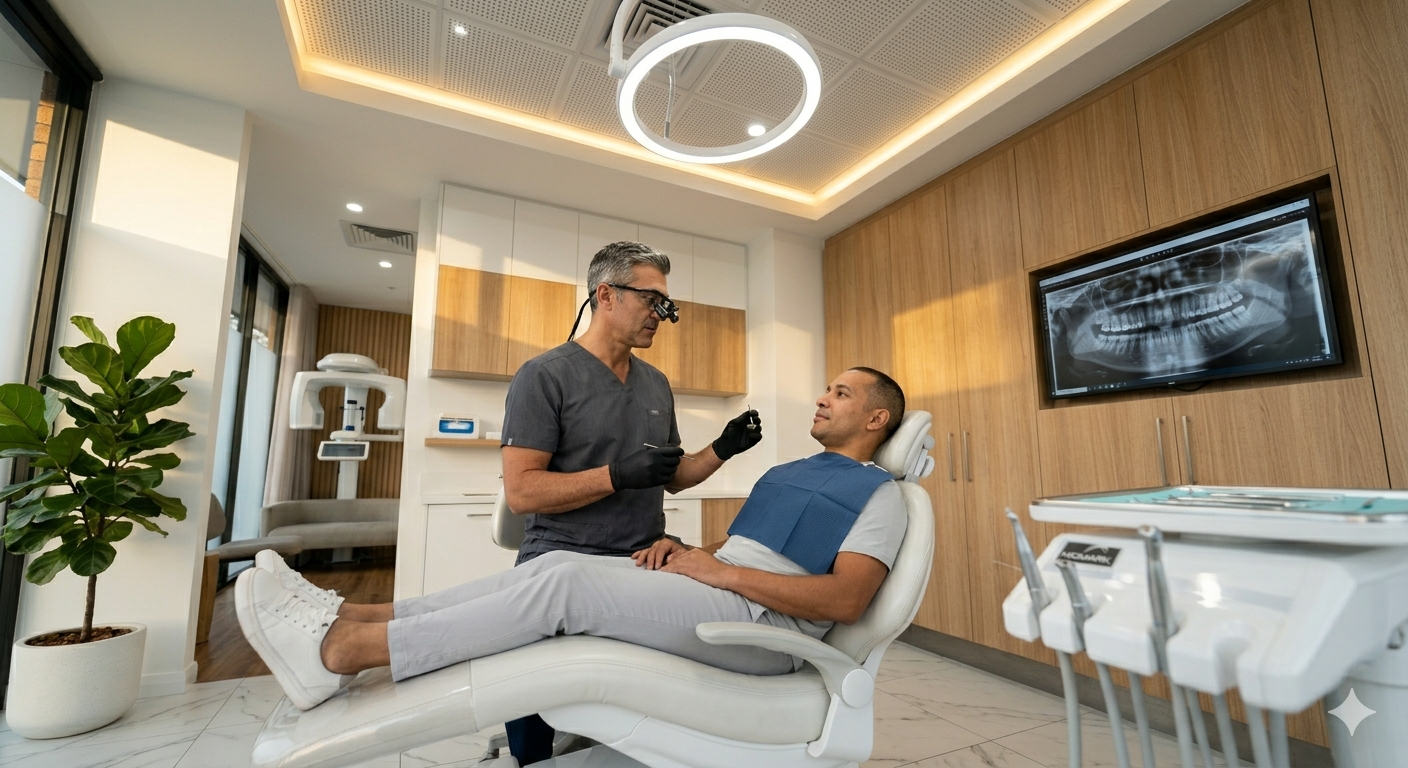
Affordable dental care improves daily comfort, prevents costly emergency treatments, and keeps families in Chino Hills healthier and more confident. Access to predictable, reasonably priced services like cleanings, fillings, and preventive education makes routine care sustainable.
Impact of Oral Health on Daily Life
Oral health affects eating, speaking, sleeping, and social interaction. Untreated tooth decay or gum disease can cause pain that interferes with work, school, and sleep quality. For example, a molar abscess can force someone to miss days of employment and require urgent root canal or extraction if not caught early.
Dental problems also influence nutrition. Painful chewing limits food choices, reducing intake of fiber and protein and increasing reliance on soft, often less-nutritious foods. Children with untreated cavities may struggle with concentration and growth.
Routine care prevents these issues. Regular cleanings, fluoride treatments, and prompt cavity fillings stop progression and preserve teeth. In Chino Hills, clinics that combine preventive care with patient education help families adopt daily habits that reduce future treatment needs.
Breaking Down Financial Barriers
Cost often determines whether someone seeks care. Many local practices offer sliding-fee scales, payment plans, and in-office financing to make treatments like crowns or root canals attainable without high upfront payments. Community health centers in San Bernardino County sometimes provide lower-cost options for uninsured residents.
Insurance coverage varies: employer plans usually cover cleanings and basic procedures, while high-cost restorative work often requires higher out-of-pocket amounts. Patients can minimize expenses by using preventive visits, dental savings plans, or CareCredit to spread payments.
Transparent pricing matters. Clinics that publish fees for common services (exam, cleaning, x-rays, fillings) and explain expected follow-up reduce surprise bills. Asking for cost estimates and alternative treatment options helps patients choose effective care that fits their budget.
Common Misconceptions about Dental Costs
Many believe dental care always costs too much or that extraction is cheaper than restoration long-term. While an extraction is sometimes less expensive initially, it can lead to additional costs for replacement teeth, shifting bite alignment, and jawbone loss. Restorations like crowns or implants can be more cost-effective over a decade.
Another misconception is that emergency visits are the only route without insurance. In reality, urgent dental clinics and community programs in Chino Hills offer same-day appointments and sliding fees to avoid ER visits, which rarely resolve dental causes of pain.
People also assume preventive care is unnecessary if no pain exists. Regular checkups detect issues early when treatments are simpler and cheaper. Preventive investment reduces total lifetime dental spending and preserves natural teeth longer.
Understanding Dental Pricing in Chino Hills
Dental pricing in Chino Hills varies by practice, procedure complexity, and patient needs. Costs reflect materials, provider experience, and whether treatment is preventive, restorative, or specialized.
Factors That Influence Treatment Costs
Several concrete factors shape what patients pay. Provider credentials matter: a prosthodontist or periodontist charges more per hour than a general dentist because of advanced training. Location affects overhead; practices near Towne Center or inside medical plazas often have higher rent, which shows up in fees.
Materials and technology change prices. Porcelain crowns, zirconia implants, and digital 3D imaging cost more than amalgam fillings or 2D X-rays. Procedure complexity and time also drive cost—root canal on a molar takes longer and uses more supplies than on an incisor.
Patient condition influences total cost. Untreated decay, gum disease, or medical comorbidities can require staged treatment, antibiotics, or specialist referrals, increasing the final bill. Insurance coverage, available discounts, and payment plans reduce out‑of‑pocket expenses for many residents.
Differences between Routine and Specialized Procedures
Routine care remains the most predictable expense. Preventive visits—cleaning, exam, and two bitewing X‑rays—typically fall into a clear price range because they follow standard time and material use. Fillings and simple extractions are next-tier predictable services.
Specialized procedures carry wider price variability. Dental implants require imaging, surgical placement, and a custom crown; costs vary by implant system and lab fees. Periodontal surgery and root canals depend on tooth location and need for sedation or microsurgical tools.
Complex cases often involve multiple appointments, temporary restorations, and lab work, which raises costs. Patients with insurance should verify which specialists and materials their plan covers to avoid surprises. Financing options and bundled treatment plans can make specialized care more accessible.
How Local Practices Set Their Fees
Chino Hills practices set fees based on a mix of fixed and variable costs. Fixed costs include rent, utilities, staff salaries, and equipment depreciation. Variable costs cover consumables like anesthetic, crowns, implants, and lab fees, which change with case mix.
Market positioning influences pricing strategy. A practice that emphasizes advanced cosmetic care, same‑day crowns, or sedation dentistry will price higher to reflect those services and the training required. Community clinics and dental schools often offer lower fees by using sliding scales or supervised trainees.
Insurance contracts and fee schedules also shape prices. Practices negotiate reimbursement rates with PPOs and set higher “list” fees for uninsured patients to offset lower insurer payments. Many offices publish fee estimates, offer itemized treatment plans, and provide payment plans to improve transparency and affordability.
Preventive Dentistry for Cost Savings
Preventive care lowers long-term costs by stopping small issues before they become expensive treatments. Routine visits, good home habits, and prompt attention to symptoms save money and protect oral health.
Benefits of Regular Checkups and Cleanings
Regular dental checkups and professional cleanings remove tartar that brushing and flossing miss, reducing the risk of cavities and gum disease. Patients who schedule exams every six months often catch cavities when a filling will suffice, avoiding root canals or crowns.
During visits, dentists perform oral cancer screens, periodontal assessments, and bite evaluations. Digital X-rays detect decay between teeth and beneath restorations early, which shortens treatment time and cost.
Professional cleanings include scaling and polishing to control plaque and inflammation. For patients with early gum disease, more frequent cleanings and localized treatments prevent costly periodontal surgery later.
Insurance plans commonly cover preventive visits at low or no out-of-pocket cost, so using benefits fully reduces overall dental spending. Practices in Chino Hills often offer affordable hygiene plans for uninsured patients, further lowering barriers to regular care.
Home Care Tips to Reduce Future Expenses
Daily home care minimizes the need for restorative work. Brush twice daily with a soft brush and fluoride toothpaste for two minutes each time to strengthen enamel and prevent decay.
Floss once daily to remove interdental plaque; interdental brushes or water flossers help people with tight contacts or bridges. Use an ADA-approved fluoride mouthwash if risk factors like dry mouth or frequent snacking exist.
Limit sugary and acidic snacks, and rinse with water after acidic drinks to protect enamel. Chewing sugar-free gum with xylitol after meals can reduce cavity-causing bacteria.
Replace toothbrushes every three months or sooner after illness. Keep a small oral care kit for travel to maintain habits. These concrete steps cut the likelihood of complex, costly procedures and keep routine appointments productive.
Why Early Intervention Matters
Early intervention treats decay and gum inflammation before structural damage requires extensive restoration. A small cavity treated with a composite filling is far less costly than waiting until a root canal, post, and crown become necessary.
Detecting and treating early-stage gum disease through scaling, root planing, and improved home care halts progression to bone loss. Preserving bone avoids implants or periodontal surgery, which carry higher fees and longer recovery.
Addressing dental pain, loose restorations, or changes in bite promptly reduces emergency visits and complex interventions. Timely orthodontic or occlusal adjustments can prevent uneven wear that leads to crowns or extractions.
Patients who act quickly after noticing symptoms preserve options and usually face shorter, less expensive treatment paths. Encourage scheduling an exam at the first sign of pain, swelling, or persistent sensitivity.
Flexible Payment Options and Financing
Patients often balance budgets and dental needs, so clinics in Chino Hills offer a mix of insurance handling, in-office savings plans, and external financing. These options aim to reduce out-of-pocket surprises and make routine and restorative care more manageable.
Dental Insurance and What It Covers
Most Chino Hills dental practices accept PPO plans and will submit claims on the patient’s behalf. Typical coverage includes 80–100% for preventive care (cleanings, exams, X-rays), 50–80% for basic restorative work (fillings, simple extractions), and 30–50% for major procedures (crowns, root canals), subject to annual maximums and waiting periods.
Patients should verify:
- Annual maximums and remaining benefits.
- Deductibles and whether they apply per person or family.
- Waiting periods for major services and any frequency limits (e.g., two cleanings per year).
Insurance rarely covers cosmetic procedures like teeth whitening, so clinicians provide cost estimates before treatment and note what will be billed to insurance versus the patient.
In-Office Membership Plans
Many local practices offer membership plans for uninsured or underinsured patients. Plans typically charge a yearly fee that covers two cleanings, two exams, and X-rays, plus discounts of 10–20% on other treatments.
Example structure:
- Basic Preventive Plan: $299/year — two prophylaxis cleanings, two exams, bitewing X-rays, 10% discount on restorative care.
- Comprehensive Plan: $499/year — includes additional periodontal maintenance, panoramic X-ray, 15% discount on major services.
Memberships bypass yearly insurance maximums and waiting periods, making them useful for families and patients needing ongoing care. Clinics will outline enrollment terms, cancellation policies, and which services are included or excluded before enrollment.
Third-Party Financing Solutions
For higher-cost procedures, many Chino Hills offices partner with third-party lenders like CareCredit, LendingClub Patient Solutions, and local medical credit cards. These lenders offer promotional 0% APR plans for 6–24 months or fixed-rate options for longer terms.
Key points to evaluate:
- Promotional period length and what the interest rate becomes afterward.
- Minimum monthly payment and whether deferred interest applies.
- Credit check requirements and typical approval timelines.
Clinics help patients apply online or in-office and will provide a detailed payment plan showing total cost, monthly payment, and any interest. Patients should compare offers and ask the office for a written estimate to ensure monthly payments fit their budget before proceeding.
Community Resources for Reduced-Cost Services
Many local organizations and government programs in Chino Hills help people access low-cost dental care, sliding-scale fees, or emergency treatment. Readers will find options ranging from community clinics and nonprofit programs to Medi-Cal and other assistance that can lower out-of-pocket costs.
Local Clinics and Nonprofit Programs
Several community clinics and nonprofit dental programs serve Chino Hills and nearby cities with reduced fees and flexible payment plans. Chino Valley Medical Center’s outreach partners and San Bernardino County Community Health Centers often coordinate dental screenings, preventive care, and urgent extractions at lower rates.
Mobile dental clinics and periodic community health fairs provide free exams and fluoride treatments; schedules are posted on city and county health websites.
Clinics typically use a sliding-fee scale based on income and household size, so qualifying can significantly lower costs for cleanings, fillings, and simple extractions. Patients should bring proof of income, ID, and current address to speed registration.
Nonprofits sometimes offer vouchers or partner with local dentists for reduced-fee restorative work; calling ahead to confirm accepted services and wait times saves time.
Government Assistance Options
Medi-Cal covers dental services for eligible adults and children in California, including preventive care, fillings, and some extractions. Eligibility depends on income, household size, and categorical factors; applicants can check eligibility and enroll at the California Department of Health Care Services website or through the county social services office.
For those not eligible for full Medi-Cal, Denti-Cal provides specific dental benefits for eligible groups, and emergency services remain available through county health programs.
Veterans can access dental care through the VA for service-connected conditions or via community care referrals in some cases.
Local social services and 2-1-1 Inland Empire can direct callers to current benefit programs, enrollment assistance, and nearby clinics that accept government insurance or offer sliding-scale fees.
What to Expect During Your First Visit
Patients can expect a straightforward, welcoming appointment that covers medical history, a focused oral exam, and a clear plan for care with cost options. Staff guide insurance and payment paperwork so the visit stays efficient and comfortable.
Step-by-Step Overview of a New Patient Appointment
On arrival, the front-desk team confirms contact details, insurance, and any referral information. Patients complete or update a short medical and dental history form that notes medications, allergies, and previous dental work.
A dental hygienist takes digital X-rays as needed and performs a professional cleaning when appropriate. The hygienist records gum measurements and checks for signs of decay or infection.
Next, the dentist performs an oral exam and reviews the X-rays with the patient. They point out findings using intraoral photos or models so the patient sees exactly what needs attention.
Finally, the dentist outlines treatment priorities—urgent issues first, then preventive or cosmetic steps—and schedules follow-ups. The office provides written estimates and explains appointment lengths so patients know what to expect at future visits.
Discussing Your Budget with Your Dentist
Patients are encouraged to be upfront about budget limits and insurance details during the initial meeting. The treatment coordinator reviews insurance benefits, out‑of‑pocket estimates, and available payment plans.
The dentist suggests phased treatment when needed: address pain or infection immediately, then plan restorative or elective care over several visits. This approach spreads cost while maintaining oral health.
Offered options often include in‑office financing, third‑party payment plans, and discounts for bundled treatments. The team can run cost comparisons—for example, filling versus crown—so patients make informed decisions based on longevity and price.
If eligibility is a concern, the office can refer patients to local low‑cost clinics or county dental resources in Chino Hills. Staff help submit preauthorizations and claims to reduce surprise bills.
Modern Treatment Options That Fit Your Budget
This section highlights cost-conscious choices for common dental needs and explains how modern tools reduce time and expense. It focuses on specific procedures, payment strategies, and technologies that lower overall treatment costs while maintaining quality.
Affordable Alternatives to Common Procedures
Patients can choose high-quality, budget-friendly options for fillings, crowns, and tooth replacement. For cavities, resin composite fillings match tooth color and often cost less than full ceramic inlay/onlay solutions. For broken teeth, prefabricated stainless steel or zirconia crowns can be used for posterior teeth to cut lab fees while preserving strength.
For missing teeth, implant-supported bridges may cost more upfront but avoid ongoing costs of removable dentures; alternatively, partial dentures or resin-bonded bridges offer lower initial expenses. Dentists often recommend staged treatment—treating urgent issues first and scheduling elective restorations later—to spread payments and reduce immediate out-of-pocket spending.
Cost-saving strategies patients should ask about:
- Sliding-scale fees or community clinic pricing
- In-house payment plans with low or no interest
- Dental savings plans as alternatives to insurance
- Bundled pricing for multiple restorations
Utilizing the Latest Technology for Cost Efficiency
Digital tools can shorten appointment time and reduce repeat visits, translating to lower overall costs. Intraoral scanners create accurate digital impressions in one visit, avoiding messy physical molds and decreasing lab remakes. Same-day CAD/CAM crowns let patients receive permanent crowns in a single appointment, removing temporary crowns and a second lab fee.
Other technologies that cut costs:
- Digital X-rays: lower radiation, instant results, fewer retakes
- Cone-beam CT for precise implant planning, reducing surgical complications
- Laser soft-tissue tools for quicker healing and less chair time
Clinics in Chino Hills often combine these technologies with transparent pricing and pre-treatment estimates. Patients should request itemized quotes and ask whether digital workflows or same-day services are available to compare true value, not just sticker price.
Choosing the Right Dental Provider in Chino Hills
Selecting care focuses on patient comfort, transparent pricing, and a clear plan for prevention and treatment. Look for practices that combine modern equipment, experienced clinicians, and flexible payment or insurance options.
Traits of a Patient-Focused Practice
A patient-focused office greets patients on time, explains procedures in plain language, and documents preferences like sedation needs or anxiety triggers. Staff should review medical history and medication interactions before treatment and offer treatment plans that show costs, alternatives, and timelines.
Clinical signs include digital X-rays, intraoral cameras, and sterilization protocols that meet state standards. Patient education matters: they provide written aftercare instructions and follow-up calls for complex procedures. Accessibility features—early/late hours, online booking, wheelchair access—help busy families. Positive local reviews and active community involvement often indicate consistent, trustworthy care.
Questions to Ask Before Committing to Care
Ask about fees for common services: exams, cleanings, fillings, crowns, and emergency visits. Request a sample treatment plan that lists estimated costs, insurance estimates, and payment options such as sliding scale, CareCredit, or in-house financing.
Inquire about clinician credentials: where the dentist trained, years in practice, and any specialties like endodontics or implant placement. Confirm infection control procedures, anesthesia options, and how emergencies after hours are handled. Finally, ask about preventive programs: recall intervals, fluoride or sealant policies for children, and oral-health education for long-term savings.
Taking the First Step Toward Healthier Smiles
They often delay dental care because of cost or anxiety, but small actions lead to big improvements. A single appointment can clarify needs, set priorities, and create an affordable plan.
A friendly clinic will explain costs and payment options clearly. Ask about sliding-scale fees, payment plans, and dental savings programs to reduce out-of-pocket expenses.
Preventive care prevents larger bills later. Routine cleanings and targeted education about brushing and flossing cut risk and save money over time.
They should feel comfortable asking questions about comfort options. Nitrous oxide, topical anesthetics, and gentle chairside communication help many patients manage fear.
Patients benefit from a prioritized treatment list arranged by urgency and budget. Below is a simple way clinics often present options:
- Urgent care (pain, infection)
- Restorative care (fillings, crowns)
- Preventive maintenance (cleanings, exams)
- Cosmetic or elective work (whitening, veneers)
Scheduling a consultation starts the process and provides a clear next step. Contacting a local dentist to discuss finances and treatment choices empowers the patient to move forward.
Frequently Asked Questions
This section answers practical concerns about cost, payment options, finding highly rated local dentists, typical first-visit fees, family-friendly care, and key questions to compare offices. It focuses on concrete steps residents of Chino Hills can take to access affordable, gentle dental care.
What are my options if I don’t have dental insurance but still need to see a dentist?
Patients can use dental savings plans that provide discounts on procedures for an annual fee. Community health clinics and dental schools sometimes offer low-cost care; check nearby Chino Hills or San Bernardino County clinics for sliding-scale services.
Many private practices advertise cash pricing for exams, cleanings, and basic restorative work. Ask upfront for a written estimate and inquire about bundled “new patient” packages that include exam, X-rays, and cleaning at a reduced rate.
Do local dental offices offer payment plans or in-house membership savings for routine care?
Yes. Several Chino Hills offices provide interest-free monthly payment plans through the practice or third-party financers like CareCredit. In-house membership plans commonly cover two cleanings, exams, and X-rays for an annual fee and reduce the cost of other services.
Always request plan details in writing: what’s covered, exclusions, and how long pricing is guaranteed. Confirm whether emergency visits, specialist referrals, or lab fees are included.
How can I find a dentist nearby with great reviews who’s also gentle and patient-focused?
Search Google Maps and Yelp for dentists within a 10–15 minute drive of Chino Hills and sort by rating and number of reviews. Read several recent reviews that mention anxiety management, clear explanations, and staff friendliness to assess gentleness.
Look for keywords such as “calm,” “patient,” “pediatric-friendly,” “sedation,” or “explains everything.” Call the office and ask about sedation options, appointment length for nervous patients, and whether they offer a meet-and-greet before treatment.
What should I expect to pay for a basic exam, X-rays, and a cleaning at a first visit?
Typical cash prices in the Chino Hills area range: adult routine exam $60–$120, full-mouth or necessary X-rays $60–$150, and adult cleaning $75–$150. New-patient bundles that include exam, X-rays, and cleaning often run $150–$300 depending on the office.
Prices vary with complexity (deep cleaning, additional X-rays) and whether the patient is an established patient. Always request an itemized estimate and ask if any diagnostic fees are waived with treatment plans.
Where can I find a family-friendly dentist who’s great with kids and nervous patients?
Look for pediatric-trained dentists or general dentists who list children’s dentistry and behavior management on their websites. Offices that advertise kid-focused waiting rooms, shorter appointment blocks for children, and staff trained in pediatric communication indicate family-friendly care.
Call to ask whether the dentist uses tell-show-do techniques, offers nitrous oxide, or allows parents in the operatory. Confirm office accessibility, parking, and whether morning appointments are available for young children’s routines.
How do I choose between dental offices in the area—what questions should I ask before booking?
Ask about provider credentials, years in practice, and whether the dentist performs procedures in-office or refers out. Inquire about technology used (digital X-rays, intraoral cameras), sterilization protocols, and emergency availability.
Request written cost estimates, payment plan details, and specific policies on cancellations and missed appointments. Finally, ask how the office handles referrals, treatment sequencing, and post-treatment follow-up to ensure coordinated, patient-centered care.