
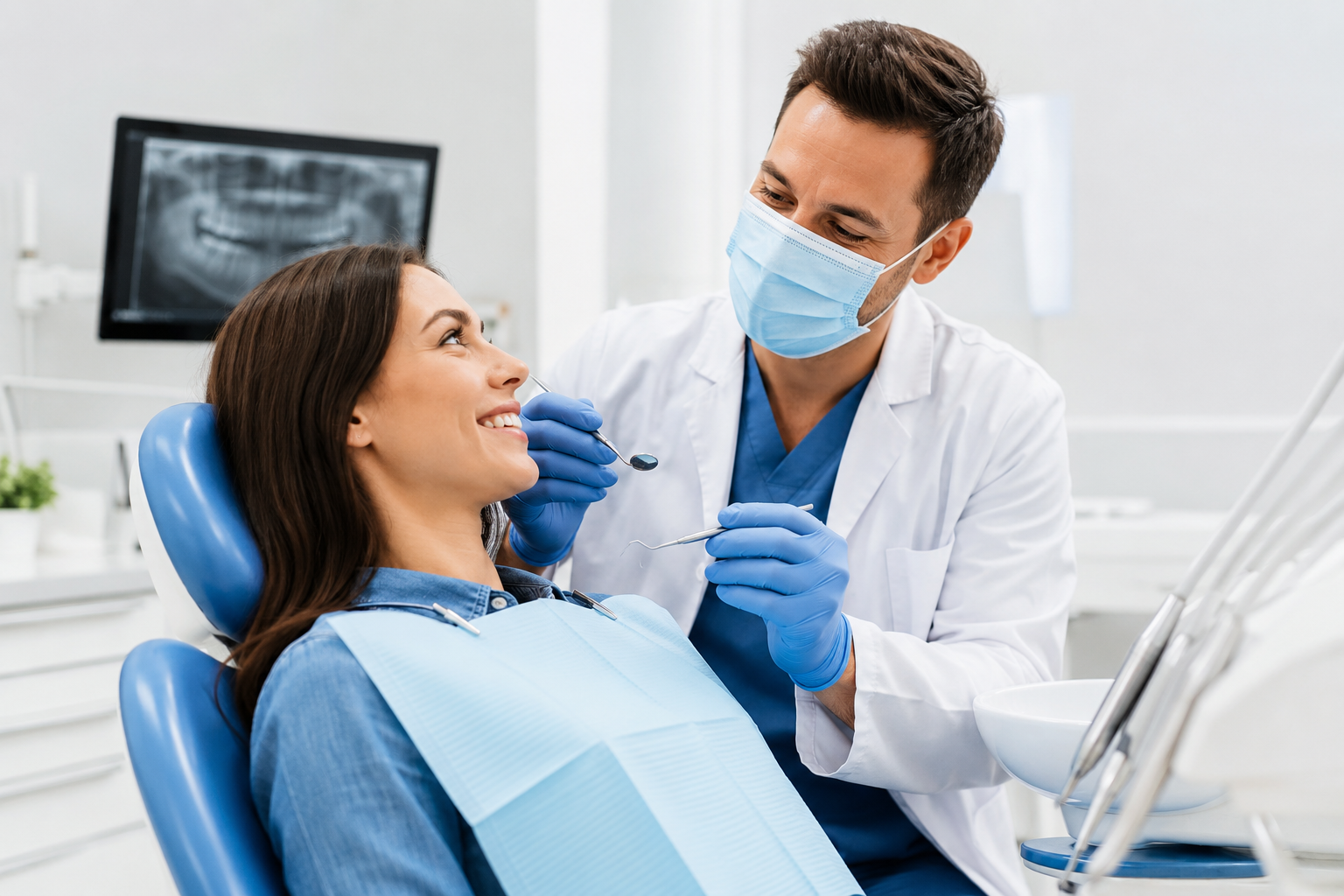
You visit the dentist to protect more than just your smile; you safeguard your overall health, comfort, and confidence. Regular dental checkups in Chino Hills, CA catch small problems early, prevent pain, and save you money on future treatments.
They tailor care to your family’s needs, use gentle modern techniques, and build a relationship that makes visits easier over time. Expect clear explanations of what happens during a checkup, options that fit your budget, and practical steps you can take at home to keep your smile healthy.
How Regular Dental Visits Support Lifelong Oral Health
Regular visits keep teeth and gums healthy, catch small problems before they grow, and provide personalized cleaning and prevention plans tailored to each patient’s needs.
Preventing Cavities and Gum Disease
Routine exams and fluoride treatments reduce the risk of cavities by strengthening enamel and reversing early decay. Dentists apply topical fluoride or recommend prescription-strength toothpaste when enamel shows signs of demineralization. They also evaluate diet, sugar intake, and at-home brushing and flossing habits to target behaviors that cause decay.
Professional exams include plaque and tartar assessment. Hygienists remove hardened tartar that home care cannot, lowering bacterial levels that cause gingivitis. For patients with periodontal risk factors — diabetes, smoking, or genetic predisposition — dentists prescribe more frequent cleanings and monitor pocket depths to prevent progression to periodontitis.
Detecting Problems Early
Early detection saves tooth structure and reduces complex treatment needs later. Dentists use visual exams, periodontal probing, and digital X-rays to spot small cavities, bone loss, or hidden infection before symptoms appear. Imaging can reveal decay between teeth and beneath restorations, allowing minimally invasive fillings instead of root canals.
Oral cancer screening occurs during most checkups; dentists inspect soft tissues and note any persistent sores or lesions. Detecting issues at an early stage increases treatment success and often allows for faster, less costly care.
Customized Professional Cleanings
Hygienists tailor cleanings to each patient’s oral condition and risk profile. Standard prophylaxis suits low-risk patients, while those with gingivitis or periodontitis receive scaling and root planing or more frequent maintenance visits. Cleaning frequency typically ranges from every three to six months based on bleeding on probing, pocket depths, and medical history.
Clinics also offer adjuncts like antimicrobial rinses, localized antibiotic placement, and sealants for children or vulnerable adults. The team documents clinical findings and develops a personalized home-care plan, including targeted brushing techniques and flossing aids to maintain improvements between visits.
Personalized Care for Families in Chino Hills CA
The practice tailors appointments and treatments to each family member’s needs, balances preventive strategies with comfort measures, and coordinates scheduling so busy households get efficient care. Adults and children receive age‑appropriate education, treatment plans, and options that fit local community lifestyles.
Child-Friendly Preventive Dentistry
Pediatric visits focus on gentle explanations, short appointments, and positive reinforcement to build trust. The team uses visual aids, kid-sized instruments, and play-based fluoride and sealant demonstrations to explain cavity prevention.
Staff screen for early orthodontic signs and airway issues during routine exams, referring to specialists when needed. They provide clear advice on brushing technique, fluoride use, diet limits for sugary snacks common at school, and personalized recall intervals based on each child’s decay risk.
Appointments often include protective sealants on molars and topical fluoride applications during the same visit to reduce repeat visits. Parents receive a written care plan with actionable steps, recommended products, and follow-up timelines.
Comfort Options for Adults
Adults receive options that reduce anxiety and discomfort during restorative or hygiene visits. Available choices include local anesthetic techniques, nitrous oxide (laughing gas) for mild sedation, and oral sedation prescriptions for longer procedures when appropriate.
Clinicians discuss aesthetic choices like tooth‑colored composites, porcelain crowns, and shade matching in-office to set realistic expectations. For complex cases, the dentist outlines phased treatment plans to spread care across visits and coordinate with patients’ work and family schedules.
The office offers ergonomic chairs, noise‑reducing headphones, and warm blankets to improve comfort. Financial counseling and treatment financing options are provided before major work begins to avoid surprises.
Adapting Care for Every Age Group
Care plans adjust as patients move from childhood to adolescence, adulthood, and older age, with screenings and treatments targeted to common stage‑specific issues. For teens, the focus shifts to orthodontic evaluation, wisdom tooth monitoring, and sports mouthguard recommendations.
Adults receive periodontal screenings, restorative maintenance, and cosmetic consultations tailored to career and lifestyle needs. Seniors get gum recession management, denture care, dry mouth treatment due to medications, and coordination with medical providers for conditions like diabetes or heart disease.
The practice documents each patient’s medical history, medication list, and functional goals to produce clear, prioritized treatment plans. They set appropriate recall intervals and use targeted preventive therapies to reduce future invasive procedures.
If readers want to schedule a family visit, contact information and appointment guidance encourage direct outreach for personalized recommendations.
The Power of Prevention: What Happens at a Checkup
A routine dental visit identifies problems early, removes hidden buildup, and verifies healthy tissue with imaging and cancer screening. Patients leave with clear next steps, personalized prevention tips, and a plan that minimizes cost and complexity over time.
Comprehensive Exams
The dentist starts with a head-to-toe oral exam that checks teeth, gums, bite, jaw joints, tongue, and soft tissues. They use tactile probing to measure gum pocket depth and look for signs of inflammation, recession, or bleeding that indicate gum disease.
They inspect each tooth for decay, old restoration failures, or hairline fractures using direct vision and magnification. The clinician also evaluates occlusion (how teeth meet) and asks about symptoms like sensitivity, grinding, or recent pain to pinpoint functional problems.
A charted exam creates a baseline record, tracking changes over time and helping prioritize treatment. The dentist explains findings in plain language, shows photos or intraoral camera images when available, and outlines immediate needs versus routine prevention.
Gentle Cleanings
A dental hygienist removes plaque and hardened calculus above and below the gum line using ultrasonic scalers and fine hand instruments. This step reduces bacterial load and inflammation that contribute to cavities and periodontal disease.
After scaling, the hygienist polishes teeth to remove surface stains and applies flossing or interdental cleaning techniques tailored to the patient’s tooth spacing and restorations. They demonstrate tools—such as interdental brushes or water flossers—appropriate for crowns, bridges, or tight contacts.
Topical fluoride or sealants may be applied for additional protection when indicated. The hygienist reviews daily home care, adjusts technique for toothbrush wear or dexterity issues, and schedules recall intervals based on periodontal risk.
Oral Cancer Screenings
The clinician performs a systematic inspection of the lips, cheeks, floor and roof of the mouth, tongue (top and underside), and throat for lumps, color changes, or persistent sores. They palpate lymph nodes and soft tissue to identify masses that weren’t visible.
When suspicious lesions appear, the dentist documents size, color, texture, and duration and may use adjunctive tools like VELscope or toluidine blue to highlight abnormal areas. If warranted, the dentist refers the patient for a biopsy or to an oral medicine specialist without delay.
Early detection vastly improves treatment options; even small lesions deserve prompt evaluation. The dentist also discusses risk factors—tobacco, heavy alcohol use, HPV exposure—and advises on symptom monitoring and when to return sooner than scheduled.
Dental X-Rays and Imaging
Radiographs reveal decay between teeth, bone loss from periodontal disease, impacted teeth, and pathology that cannot be seen visually. The practice typically uses digital bitewing and periapical X-rays for routine needs and panoramic or CBCT scans for complex cases.
Digital imaging reduces radiation exposure and produces high-resolution images immediately available for review. The dentist explains why a particular image type is chosen and how it influences diagnosis and treatment planning.
Images are compared with prior exams to detect subtle changes over time. The dentist shares images with the patient, points out concerns, and uses them to justify or decline procedures based on objective evidence.
Questions or concerns about any finding are encouraged; the dental team invites patients to call or schedule a consultation to review results further.
Trust and Comfort: Building Lasting Relationships With Your Dental Team
A trusting relationship with a dental team reduces anxiety and improves care. Comfort comes from consistent staff, clear explanations, and personalized treatment plans that respect the patient’s needs.
Addressing Dental Anxiety
Dental teams in Chino Hills often offer specific strategies to ease anxiety, such as pre-appointment phone calls to explain procedures and ask about past fears. They may schedule longer first visits so patients do not feel rushed and can meet the hygienist and dentist in a relaxed setting.
Many practices provide practical options like nitrous oxide, prescription anti-anxiety medication coordination, or short, gradual treatment plans to build confidence. Staff trained in calming techniques will use plain language, demonstrate tools outside the mouth, and set stop-signals so patients always feel control.
Simple office features also matter: comfortable chairs, warm blankets, noise-cancelling headphones, and gentle lighting reduce stress. Regular follow-ups and consistent providers help transform a one-time anxiety episode into predictable, manageable care.
Open Communication and Education
Dentists in Chino Hills prioritize clear, jargon-free explanations of diagnoses and treatment choices. They use intraoral photos, X-rays, and diagrams during visits so patients see exactly what needs attention and why.
They also provide written care plans and cost estimates before treatment begins, listing options with pros, cons, and timelines. This transparency helps patients make informed decisions and prevents surprise charges or last-minute changes.
Education extends beyond the operatory: many offices send personalized home-care tips, demonstration videos, and reminders for recall visits. When a patient understands daily hygiene steps and the reasoning behind preventive visits, adherence and outcomes improve.
Modern Technology and Gentle Techniques
Modern dental offices in Chino Hills combine advanced imaging and conservative procedures to reduce exam time, limit radiation exposure, and preserve natural tooth structure. Patients experience faster diagnoses, fewer surprises during treatment, and options that prioritize comfort.
Digital X-Rays and Imaging
Digital X-rays and intraoral cameras produce high-resolution images instantly, allowing clinicians to spot cavities, bone loss, and root issues earlier than with traditional film. These systems use up to 90% less radiation than film X-rays, which means safer routine monitoring for adults and children.
Images display on a chairside monitor, so the dentist can point out problems and walk the patient through findings in real time. Advanced options like 3D cone-beam CT scans are available when evaluating complex implant placement, impacted teeth, or jaw joint disorders, providing precise measurements for safer surgical planning. Digital records also streamline follow-up care and coordination with specialists, reducing delays and improving treatment accuracy.
Minimally Invasive Treatments
Minimally invasive dentistry focuses on removing the least amount of healthy tooth while restoring function and appearance. Techniques include air abrasion for tiny cavities, adhesive composite fillings that bond directly to tooth structure, and selective caries removal guided by magnification and LED curing lights.
For crowns and onlays, same-day CAD/CAM milling lets the dentist design and fabricate restorations in one visit, eliminating temporary crowns and multiple anesthetic appointments. Laser-assisted procedures reduce bleeding and swelling for soft-tissue work and can help with gum contouring or treating cold sores. These approaches shorten recovery, lower post-op sensitivity, and often reduce the number of dental visits required.
Financial Peace of Mind for Patients
Routine checkups help patients avoid costly surprises by catching problems early. Small fixes like fillings or cleanings cost far less than emergency treatments such as root canals or extractions.
The dental office often offers flexible payment options to ease budgeting. They may accept major insurance plans, provide in‑office financing, or partner with third‑party payment plans.
Bold benefits make choices clear:
- Predictable costs: Regular visits reduce the chance of unexpected bills.
- Insurance maximized: Preventive care is commonly covered at higher rates.
- Flexible options: Payment plans and discounts can spread out expenses.
They explain estimates and treatment plans before work begins. Transparent pricing and written treatment plans let patients compare options and avoid surprises.
Preventive care saves money over time. A quick cleaning and exam can prevent developing cavities, gum disease, and the need for more extensive restorative care later.
The practice encourages patients to ask about cost-saving strategies. Examples include scheduling two cleanings per year, using bundled treatment packages, or discussing alternatives when appropriate.
Patients feel more comfortable knowing financial options exist. A friendly staff member usually reviews benefits, confirms coverage, and helps submit insurance claims.
Call or message the office to review payment options and insurance questions. A short conversation often clarifies costs and helps patients plan their next visit.
Taking the Next Step Toward a Healthier Smile
Regular checkups make it easier for patients to catch small problems before they become painful or expensive. A quick exam and cleaning can save time and reduce anxiety later, and the dental team in Chino Hills tailors plans to each patient’s needs.
They can schedule a comprehensive exam, which often includes X-rays and a discussion of lifestyle factors like diet and oral hygiene. These visits also allow the dentist to recommend preventive measures such as sealants, fluoride, or a personalized at-home routine.
Patients who feel nervous find modern options for comfort and care helpful. Many offices offer sedation choices, gentle techniques, and a calm environment to ease stress during appointments.
Use the checklist below to prepare for the first visit:
- Bring a list of current medications and dental concerns.
- Note any past dental procedures and approximate dates.
- Prepare questions about treatment options, costs, or insurance.
They can call the Chino Hills practice to ask about appointment availability, fees, or new-patient specials. Booking a checkup gives patients a clear, manageable plan for maintaining oral health and preventing future problems.
Frequently Asked Questions
Regular dental checkups in Chino Hills protect oral health, spot problems early, and keep preventive care on schedule. These answers cover timing, what occurs during visits, prevention of decay and gum disease, early detection of serious issues, and tips for patients with dental anxiety.
Why are routine dental checkups important even if my teeth feel fine?
Many oral issues start without pain or visible signs. Dentists detect early cavities, gum inflammation, and enamel wear during routine exams.
Early detection keeps problems from becoming complex or costly. A small filling often prevents a root canal or crown later.
How often should I schedule a dental checkup and cleaning to stay on track?
Most adults benefit from a checkup and professional cleaning every six months. Patients with active gum disease, heavy tartar buildup, or certain medical conditions may need visits every three to four months.
Children, seniors, and people undergoing orthodontic or medical treatments should follow a dentist’s personalized schedule. The dental team in Chino Hills will recommend the best interval based on oral health and risk factors.
What happens during a regular dental exam and professional cleaning?
A typical exam includes a visual inspection, periodontal probing to measure gum health, and X-rays when needed. The hygienist removes plaque and tartar with scaling and polishing, then applies fluoride or sealants if appropriate.
The dentist reviews findings, explains any treatment needs, and answers patient questions. Records and images help track changes over time.
Can regular checkups help prevent cavities and gum disease before they start?
Yes. Professional cleanings remove hardened tartar that home brushing cannot reach, lowering bacterial load and inflammation. Fluoride treatments and sealants strengthen enamel and reduce decay risk.
Dentists also advise on targeted home care—brushing technique, flossing, and product recommendations—to address specific problem areas.
How do dental checkups help catch bigger problems early, like infections or oral cancer?
Dentists screen for signs of infection, abscesses, and tissue changes during exams and with digital X-rays. Routine checks increase the chance of finding oral cancer at an early, more treatable stage.
They coordinate referrals for biopsies or specialist care when suspicious lesions or advanced conditions appear.
What if I have dental anxiety—how can a dental team make checkups more comfortable?
Dental teams in Chino Hills offer several comfort measures: slow-paced explanations, noise-cancelling headphones, calming scents, and topical numbing for injections. Many practices provide sedation options—nitrous oxide or oral sedation—after discussing medical history and safety.
Communicating fears ahead of the visit lets staff tailor the experience and build trust. Patients should ask about comfort options when booking an appointment to ensure a supportive visit.